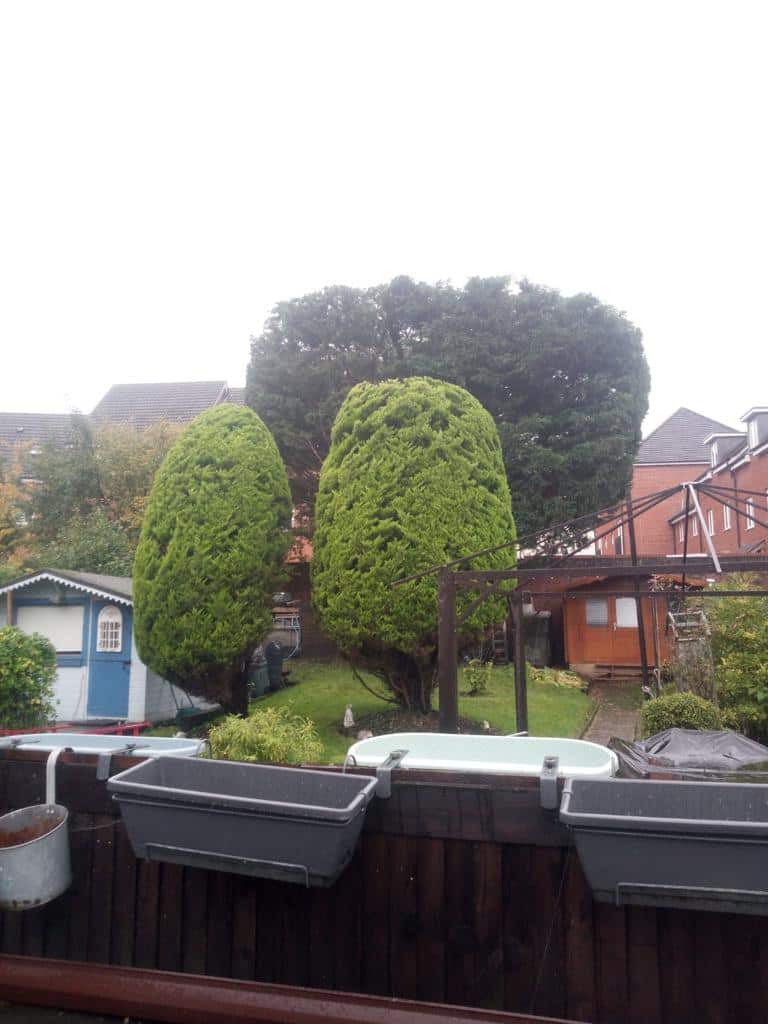
Hedges can provide an attractive, natural boundary around a garden, but they can gradually lose their shape when growth becomes uneven. Some sections may become taller or wider than others, individual branches can protrude beyond the main hedge line, and areas that have received inconsistent cutting may develop an irregular appearance.
For homeowners in Ascot, Berkshire, professional hedge cutting can do considerably more than simply shorten new growth. When carried out with the condition, species and structure of the hedge in mind, it can restore clearer proportions, encourage more balanced development and help different sections of the boundary form a more consistent feature.
Why Do Garden Hedges Become Uneven?
An uneven hedge does not necessarily indicate that the plants are unhealthy. Hedges are living structures, and their growth can vary considerably along the length of a boundary.
Differences in sunlight, soil conditions, available space and previous maintenance can all influence how individual plants develop. One section may produce vigorous outward growth while another grows more slowly. Over several seasons, these small differences can become increasingly noticeable.
Understanding why the hedge has become uneven is important because effective cutting should respond to the way the hedge is growing rather than simply removing the same amount from every section.
Restoring a More Consistent Hedge Line
One of the main benefits of professional hedge cutting is the ability to establish a clearer overall line.
Rather than following every existing bump and irregularity, the hedge can be assessed as a complete boundary. Appropriate reference points can then be used to create a more consistent height and width.
This can improve:
- The appearance of the top of the hedge
- The consistency of its sides
- The transition between thicker and thinner sections
- The relationship between the hedge and surrounding garden features
- The overall definition of the property boundary
The aim is not necessarily to make every hedge perfectly geometric. The appropriate finish depends on the species, condition and style of the garden.
Why Simply Cutting Everything Back Equally May Not Work
When a hedge is noticeably uneven, removing the same depth of growth from every section can preserve the existing irregularities rather than correct them.
For example, a section that already projects significantly beyond the intended boundary may require more careful reduction than an area that is naturally thinner. Likewise, taller sections may need to be brought into proportion with the rest of the hedge without unnecessarily reducing areas that are already at a suitable height.
Professional hedge cutting allows these differences to be considered individually while still working towards a consistent overall result.
Creating Better Proportions From Top to Bottom
The width of a hedge is just as important as its height. Overgrown hedges often become excessively wide at the top or develop heavy sections that extend into paths, lawns and other parts of the garden.
Careful cutting can improve the profile of the hedge so that its proportions appear more balanced. Maintaining an appropriate shape can also help light reach more of the foliage, which may support denser growth in areas that have previously become overshadowed.
This is particularly valuable when the lower sections of a hedge are beginning to appear thinner than the upper growth.
Improving Sections That Grow at Different Rates
A long hedge may contain individual plants that grow at noticeably different rates. Treating the entire boundary as though every section develops identically can lead to an inconsistent finish.
Professional hedge cutting takes these variations into account. Faster-growing sections can be controlled while slower-growing areas can be managed more conservatively where appropriate.
Over successive maintenance visits, this approach can help the hedge develop a more balanced appearance rather than allowing vigorous sections to dominate the boundary.
Dealing With Protruding and Heavy Growth
Individual branches can sometimes extend significantly beyond the main hedge line. These branches often become particularly noticeable because they interrupt an otherwise reasonably consistent boundary.
Removing or reducing protruding growth carefully can immediately improve the hedge’s appearance. However, indiscriminate cutting can leave holes or expose bare internal sections.
A considered approach looks at where branches originate and how their removal will affect surrounding foliage. This allows the hedge to be reshaped while retaining as much useful growth as possible.
Can a Severely Uneven Hedge Be Corrected in One Visit?
This depends on the hedge.
Some boundaries mainly consist of recent, uneven growth and can be improved substantially through a single professional cut. Others may have developed significant structural differences over many years.
Trying to force a badly overgrown hedge into its final shape immediately can sometimes involve removing too much foliage or cutting into areas that may not respond well. In these situations, gradual improvement may produce a better long-term result.
A professional assessment can establish how much can sensibly be corrected at one time and whether further maintenance will be beneficial as new growth develops.
Regular Cutting Helps Preserve the Improvement
Once a more consistent boundary has been established, appropriate ongoing maintenance can make it considerably easier to retain.
Regular hedge cutting controls new growth before it becomes excessively long or woody. It also provides opportunities to correct small differences in development before they become major irregularities.
A maintained hedge is therefore easier to keep within its intended proportions than one that repeatedly goes through long periods of uncontrolled growth followed by severe cutting.
Hedge Cutting Can Improve the Wider Garden
An uneven hedge can influence how the entire garden looks. Because boundaries form the backdrop to lawns, patios, planting areas and pathways, irregular growth can make otherwise well-maintained spaces appear less organised.
Restoring definition to the hedge can help create cleaner visual lines throughout the garden. It may also prevent excessive growth from encroaching onto usable areas.
For gardens in Ascot, a well-maintained hedge can provide structure without becoming an overpowering feature.
Why Professional Technique Makes a Difference
Good hedge cutting involves more than using equipment to remove growth quickly. The person carrying out the work needs to judge the intended height, width and profile while considering the existing condition of the hedge.
Different hedge species also respond differently to cutting. Understanding the plant’s growth characteristics helps determine how heavily particular sections should be reduced and how the desired shape can be achieved without unnecessarily compromising the hedge’s appearance.
Professional equipment and working methods also make it possible to create cleaner, more consistent lines, particularly across longer or taller boundaries.
Assessing the Whole Boundary Before Cutting
Before significant reshaping begins, it is useful to look at the hedge from several positions rather than concentrating on one small section at a time.
This reveals where the most obvious variations occur and helps establish how the finished boundary should relate to the rest of the garden.
At NS Tree Surgery Ascot, hedge cutting can be approached with the complete boundary in mind. Assessing its shape, growth and condition first helps determine how individual sections should be managed to create a more balanced overall result.
Conclusion
Professional hedge cutting can transform an uneven boundary by restoring clearer lines, controlling excessive growth and bringing sections with different growth patterns into better proportion. The most effective approach is not simply to remove the same amount from every part of the hedge, but to understand why the irregularities have developed and cut accordingly.
Some hedges can be reshaped considerably in one visit, while more established irregularities may benefit from gradual improvement and appropriate ongoing maintenance.
If your hedge in Ascot, Berkshire has become uneven, overgrown or difficult to keep consistently shaped, NS Tree Surgery Ascot can assess its condition and provide professional hedge cutting suited to the existing boundary. A carefully managed approach can help create a neater, more balanced hedge that complements the rest of the garden.
Call us on: 01344 951 395
Click here to find out more about NS Tree Surgery Ascot
Click here to complete our contact form and see how we can help with your tree needs.